Inhoudsopgave
What is Cross-functional collaboration?
Definition and explanation
Multifunctional collaboration is a team approach in which different departments, functions, and skills work together toward a common goal. This type of collaboration brings together different perspectives, skills, and knowledge to find innovative solutions and achieve better results. Learn how innovating through cross-functional collaboration helps organizations to achieve their goals.
Importance of cross-functional collaboration
Functional collaboration is becoming increasingly important in today’s rapidly changing and complex business environment. By working together, teams can break down silos, improve communication and coordination, and achieve better results. This can lead to more innovation, better customer experiences, and greater competitiveness.
Examples of cross-cutting cooperation
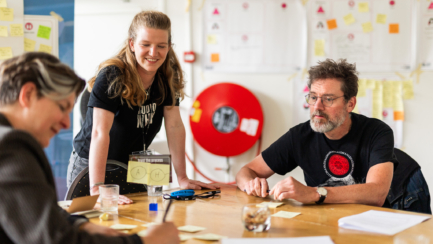
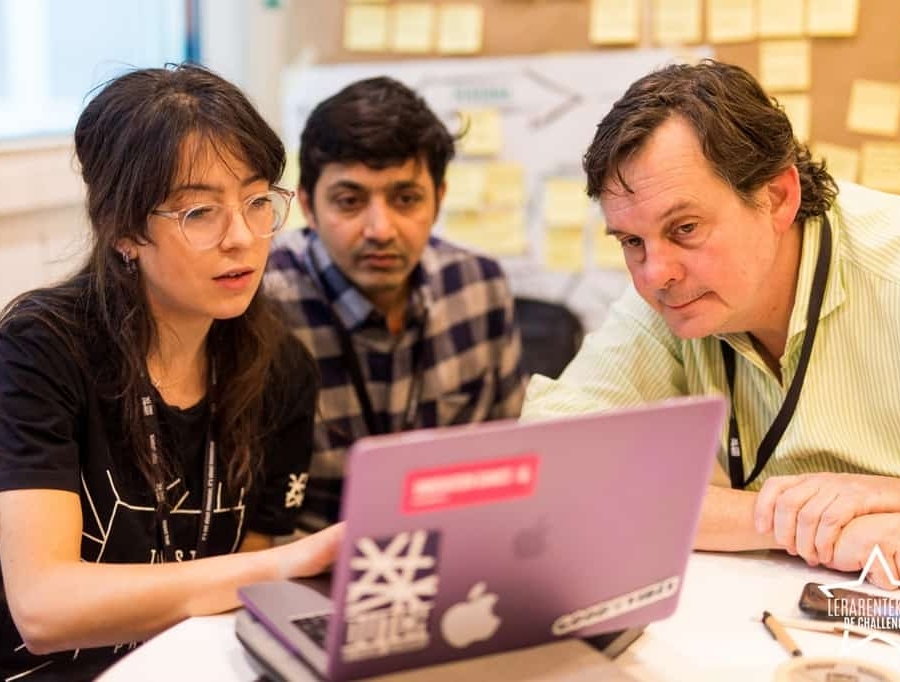
An example of cross-functional collaboration is a team of designers, developers, and product managers working together on a new product. This collaboration allows the team to share their expertise and combine their skills to bring the product to market. Another example is a marketing team working with a research team to develop a new marketing strategy. The marketing team contributes its insight into customer needs and behavior, while the research team provides data and insights to support the strategy.
Multifunctional skills
The skills required for cross-functional collaboration are diverse and include communication, problem solving, empathy, design thinking, and agile methods. Teams must also be able to collaborate effectively and trust each other in order to achieve success. Effective cross-functional collaboration requires a willingness to listen, learn, and work together to achieve a common goal.
Why is cross-functional collaboration important?
Benefits of cross-functional collaboration
- Better decision-making: Cross-functional collaboration enables different perspectives and ideas to be shared, leading to better decision-making and problem-solving skills. This helps organizations make well-informed decisions that are more likely to succeed.
- Increased efficiency: Multifunctional teams can work together to streamline processes, identify and eliminate inefficiencies, and ultimately achieve goals faster and more effectively.
- Improved communication and relationships: Collaboration between different functions helps build strong relationships between team members, improving communication and promoting a culture of teamwork.
Improving problem-solving skills and innovation
- Various perspectives: Cross-functional teams bring together people with different backgrounds, experiences, and skills, creating a greater variety of perspectives and ideas for problem solving and innovation.
- Faster time to market: By working together, cross-functional teams can quickly identify and overcome challenges, leading to faster time to market and improved competitiveness in the marketplace.
- Building resilient and flexible organizations
- Flexibility and adaptability: Functional collaboration enables organizations to respond quickly to changes and challenges, thereby building resilience and agility.
- Encouraging continuous improvement: Cross-functional collaboration promotes continuous improvement, as teams learn from each other and identify new opportunities for growth and improvement.
- Promoting a culture of innovation: By collaborating and sharing ideas, cross-functional teams can help promote a culture of innovation within an organization, leading to long-term success and growth.
Welcome!
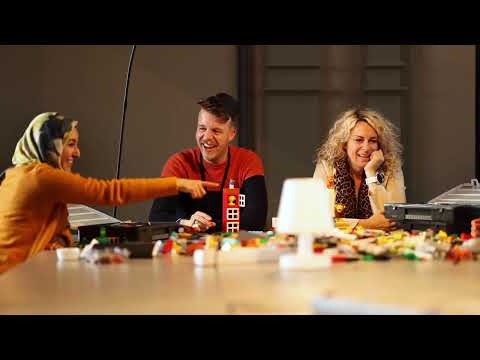
Video wordt afgespeeld
How do you ensure cooperation between different functions?
Characteristics of an effective functional team
One of the keys to successful cross-functional collaboration is a team with the right characteristics. Some of these are:
- Clear communication
- Trust and mutual respect
- Shared goals and values
- Empathy and understanding for each other’s roles and responsibilities
- Willingness to learn and grow together
Design Thinking and Agile methods
Design thinking and agile methods are also important tools for ensuring functional collaboration. Design thinking emphasizes empathy and understanding the needs of all stakeholders, while agile methods focus on iterative problem-solving skills and adaptability. These approaches can help teams collaborate more effectively by encouraging open communication, shared decision-making, and continuous improvement.
Coaching and training
Ultimately, coaching and training will also play an important role in ensuring functional collaboration. By providing team members with the skills, knowledge, and tools they need to work together effectively, organizations can increase their chances of success. Whether through online courses, workshops, or individual coaching, investing in the development of your team can help ensure that collaboration between different functions is successful and sustainable.
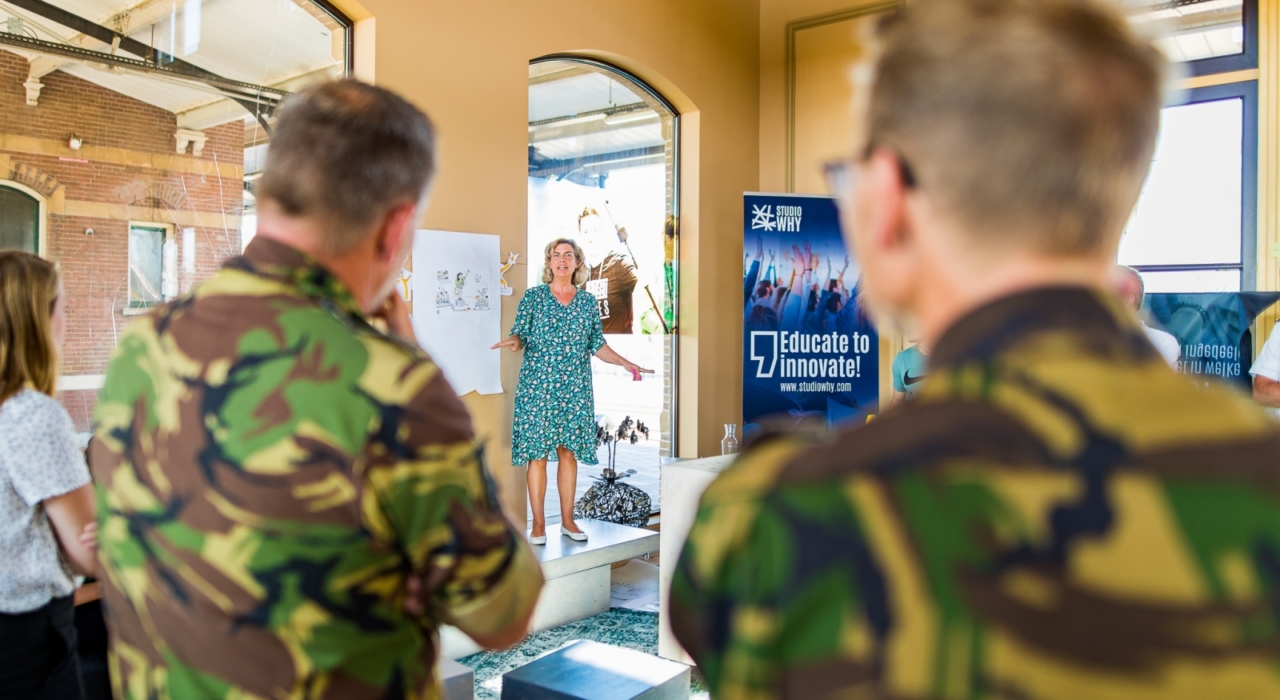
Examples of cross-functional collaboration
Cross-functionele teams in organisaties
Cross-functional teams are becoming increasingly common in organizations because they offer a range of benefits, including improved problem-solving and innovation. Multifunctional teams typically consist of individuals from different departments, such as marketing, engineering, and operations, who work together to achieve common goals.
An example of cross-functional collaboration in organizations is the use of design thinking workshops. In a series of workshops (also known as a Sprint), individuals from different departments are brought together to brainstorm and develop solutions to business challenges. By working together, these individuals can leverage their unique perspectives and skills to create innovative and effective solutions.
Innovation in education and community development
Cross-functional collaboration is also important in education and community development. For example, a multifunctional team could consist of teachers, administrators, and community leaders who work together to develop new and effective educational programs. . By working together, these individuals can bring their different perspectives and skills together to create innovative solutions that meet the needs of both students and the community.
Design Thinking Workshops en Hackathons
Another example of cross-functional collaboration is the use of design thinking workshops and hackathons. These events bring together people from different backgrounds and sectors to brainstorm and develop solutions to real-world challenges. Participants can use their different perspectives and skills to create innovative solutions that can have a real impact on the world.
By participating in these events, people can also develop their multifunctional skills, such as empathy, problem solving, and creativity. These skills are not only valuable in their professional lives, but can also be applied to other aspects of their lives, such as personal relationships and community development.
Summary of the key points
Cross-functional collaboration is bringing together people from different departments or functions to work toward a common goal. It is important for organizations because it improves problem solving, innovation, and increases resilience and agility. For cross-functional collaboration, it is important to have an effective cross-functional team with the right characteristics, and to use design thinking and agile methods, together with coaching and training.
Final thoughts and recommendations
In short, cross-functional collaboration is an essential aspect of modern organizations and can yield significant benefits. Whether in organizations, education, or community development, cross-functional collaboration provides opportunities for individuals with different skills and perspectives to work together toward a common goal. It is recommended that organizations prioritize cross-functional collaboration and introduce experiments and tools to support it, such as design thinking, agile methods, and coaching and training. In this way, they can unlock the full potential of their teams and boost innovation and success.
If you would like to learn more about cross-functional collaboration and design thinking, STUDIO.WHY offers a variety of workshops, webinars, and courses to help organizations and individuals develop their skills and experiences. You can learn more about these programs and experiences on our website, or contact us for more information.
We believe in the power of collaboration and design thinking to drive innovation and growth, and we are committed to helping individuals and organizations achieve their goals. We would love to hear from you!